Despite its glossy campaigns and glossy promises, the beauty industry and aging remain locked in a deeply uncomfortable dance. The slogans may now lean “pro-aging” or “graceful,” but the message beneath the shimmer hasn’t budged: visible age must be managed, masked, or minimized.
Friday Feature | Tenth Edition | Featuring Dr. Ishdeep Narang, with insights from Rosa Tessada
By Hale and Belle® Editorial Team
For our Tenth Edition Friday Feature, Hale and Belle® turns the mirror back on an industry still reluctant to look aging squarely in the face. We sit down with Dr. Ishdeep Narang, psychiatrist and founder of ACES Psychiatry, whose clinical insights expose the psychological toll of aesthetic perfectionism. Alongside him, Rosa Tessada, a clinical nutritionist, reframes aging not as a cosmetic emergency—but as a vital, biological transition worthy of nourishment, not correction.
This isn’t just a critique. It’s a call to disarm the lie at the heart of beauty marketing: that aging is a flaw to be fixed.
Meet the Expert: Dr. Ishdeep Narang, MD
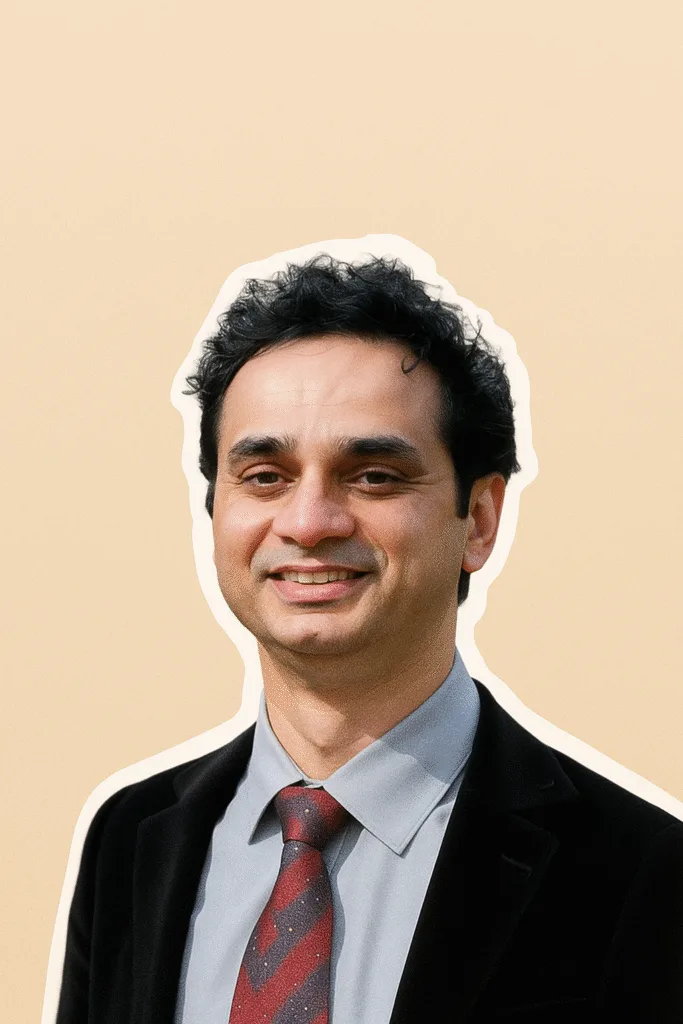
Dr. Ishdeep Narang is a board‑certified psychiatrist based in Orlando, Florida, specializing across the lifespan—from children and teens to adults—dedicated to building resilience through empathetic, evidence‑based care. He is the founder of ACES Psychiatry, a clinic offering compassionate treatment and telepsychiatry across the state.
Dr. Narang received his medical degree in India before completing his psychiatry residency at Case Western Reserve University/MetroHealth in Cleveland, followed by a fellowship in Child & Adolescent Psychiatry at Mount Sinai’s Icahn School of Medicine, Elmhurst Campus. He also served as Chief Fellow during his training, presenting research at national conferences including APA and AACAP.
With over two decades of clinical experience, Dr. Narang treats mood disorders, anxiety, ADHD, PTSD, and other conditions affecting emotional health and identity. He is also fluent in English, Hindi, Punjabi, and Urdu, facilitating culturally attuned care. At ACES Psychiatry, patients consistently rate him 5.0 stars for empathy, clarity in treatment explanations, and follow-up care.
Dr. Narang’s mental-health‑positive perspective informs our feature—he reframes aging not as a pathology to be corrected, but as a lived human process deserving of truth, dignity, and psychological integrity.
A Market Built on Manufactured Inadequacy
“The lie isn’t that you can erase wrinkles,” says Dr. Narang. “It’s that you should want to.”
The beauty industry and aging narrative hasn’t evolved so much as it’s been rebranded. Where once we saw the aggressive push of “anti-aging,” today’s messaging is softer—“revitalizing,” “restoring,” “youth-enhancing.” But the end goal remains the same: preserve youth, conceal time, and above all, keep buying.
Behind this marketing machine is a deeper cost. Research consistently shows that appearance dissatisfaction, particularly among women in midlife, is strongly tied to aging anxiety and societal pressures. In one well‑documented study, middle‑aged women reported dissatisfaction with their appearance across multiple areas—face (≈54%), skin (≈70%), weight (≈71%), and overall body image (≈66%)—often paired with fear of aging and sociocultural influence from media norms [1] [2] [3].
“What I see in my clinical practice is the fallout,” Dr. Narang explains. “A woman’s self-concept becomes a renovation project. The preoccupation isn’t with being but with fixing.”
Pro-Aging: A Glossy Word for the Same Old Pressure?
There’s been a visible shift in how brands talk about aging. Words like “pro-aging” or “aging well” have entered the mainstream, suggesting empowerment. But Dr. Narang challenges this linguistic evolution as largely cosmetic.
“It’s a clever pivot,” he notes. “But the pressure remains. You must still meet a curated, palatable version of aging. The burden to appear timeless is simply dressed in softer semantics.”
The beauty industry and aging are still tethered by commerce. While language changes, the underlying anxiety remains monetized.
The Body Doesn’t Need Fixing. It Needs Fuel.

Where psychiatry confronts the mental toll, nutritionist Rosa Tessada brings clarity to the biological reality. She believes the biggest myth in the beauty industry and aging dialogue is this: aging equals decline. To her, that’s both nutritionally false and emotionally harmful.
“Aging is not a breakdown—it’s a recalibration,” she says. “With anti-inflammatory foods, hormone-supportive nutrition, and consistent hydration, women can thrive through every stage.”
Studies support her claim: a 2024 clinical study published in Frontiers in Nutrition found that higher dietary intake of essential nutrients—including omega-3 and omega-6 fatty acids (LA and ALA), fiber, sodium, potassium, magnesium, zinc, copper, vitamin E, B vitamins, and vitamin C—was significantly correlated with improved skin firmness and elasticity in women aged 21–74, including those over 40 [4].
Another cross-sectional study of Japanese women linked greater consumption of green and yellow vegetables, monounsaturated fats, and certain antioxidants to measurable increases in skin hydration and elasticity—and fewer visible wrinkles [5].
“Nourishing ourselves during this phase isn’t indulgent—it’s essential,” Tessada says. “The problem is, the industry doesn’t profit from well-fed confidence.”
Why the Industry Resists Real Change
There’s one unspoken truth about the beauty industry and aging: its financial success hinges on women feeling inadequate. As long as aging is cast as a personal failure rather than a universal process, the market stays alive—and growing.
The anti-aging market was worth over $60 billion in 2024 and is projected to reach $100 billion by 2030 [6]. And despite the softer language, the growth curve hasn’t slowed. Brands still bank on fear—and fear sells faster than acceptance.
“You’re not aging poorly,” Dr. Narang says. “You’re just aging publicly. And that visibility—when not airbrushed—is what the industry can’t yet handle.”
What True Progress Looks Like
To untangle the beauty industry and aging, real cultural work is needed. That starts with moving beyond appearance. It’s not about convincing women to “love their wrinkles.” It’s about decoupling a woman’s worth from her reflection.
“Progress isn’t more flattering packaging,” Dr. Narang insists. “It’s creating a space where women are not required to edit themselves to be seen.”
We must stop framing age as a flaw and instead highlight what it actually represents: resilience, wisdom, and lived experience. Visibility shouldn’t shrink with time—it should sharpen.
Takeaway: Let the Lines Tell the Story
The issue isn’t aging. The issue is the erasure of aging.
At Hale and Belle®, we believe beauty isn’t something to preserve—it’s something that evolves. And that evolution deserves to be seen, heard, and celebrated, not airbrushed out of the frame.
In reframing the relationship between the beauty industry and aging, we must stop asking women to look younger and start urging culture to look deeper.
FAQs | Beauty Industry and Aging
A: Because it profits by framing aging as a flaw—selling products that suggest women are more valuable when they appear younger.
A: The constant emphasis on youth in beauty marketing fuels insecurity, leading to increased anxiety, low self-worth, and a fear of natural life transitions.
A: By focusing on internal wellness—nutrition, mindset, and mental health—and rejecting the idea that aging reduces their value.
A: Often, it’s performative. Unless paired with genuine representation and messaging that affirms age rather than edits it, it can still reinforce unrealistic standards.
A: A significant one. Anti-inflammatory foods, hydration, and hormonal balance support energy, skin health, and overall vitality during aging.
Explore More on Hale and Belle®
- Shaping Identity Through Beauty At Every Age
- How Skincare Ingredients Can Redefine Aging
- Most Effective Facial Habits for Healthy Aging
- Skincare Routines for Every Stage of Aging
- Why Quick-Fix Trends Don’t Stop Aging
- Beauty Innovations Shaping the Anti‑Aging Conversation
Want the latest scoop, exclusive deals, and skincare secrets? Follow us on WhatsApp and never miss a glow-up moment!