How hormonal shifts—from PCOS to perimenopause—reveal themselves through your skin, and what Dr. Shivani Dhingra wants every woman to know.
Hormonal skin changes are more than just a phase—they’re your body’s way of communicating internal shifts. Hormonal health is not merely a biological process; it’s a conversation your body is constantly trying to have with you. And your skin? It’s one of the loudest messengers.
From sudden acne flare-ups to persistent dullness, pigmentation patches to unexpected dryness, your skin—and even hair fall—might be echoing internal shifts you haven’t fully registered. And if you’ve ever wondered whether there’s a deeper cause behind that unpredictable breakout or a sudden onset of sensitivity, you’re not alone.
In this week’s Friday Feature, we sit down with Dr. Shivani Dhingra, MS in Anatomy and faculty at Dr. Ram Manohar Lohia Institute of Medical Sciences, to decode how hormonal imbalances—especially those tied to PCOS, thyroid disorders, and perimenopause—manifest through your skin. Spoiler: your skincare routine might not be to blame—it could be your skin type reacting to hormonal shifts.
Your Skin, The Silent Hormonal Narrator
Hormones regulate everything from cell turnover to oil production, hydration to collagen synthesis. When they go off balance—either due to conditions like PCOS and thyroid dysfunction or natural transitions like perimenopause—your skin often takes the hit.
“Each phase of a woman’s life—be it puberty, pregnancy, perimenopause, or a hormonal disorder—has a unique skin signature,” says Dr. Dhingra.
While most women tend to reach for topical treatments, few pause to consider the hormonal triggers underneath.
Common Skin Signs of Hormonal Imbalance
Dr. Dhingra helps break down what different conditions might look like, through the lens of the skin:
1. Polycystic Ovary Syndrome (PCOS)
- What to look for: Persistent acne along the jawline, excess facial hair (hirsutism), oily skin, and pigmentation (especially around the neck and underarms).
- Why it happens: Elevated androgens stimulate oil glands and affect skin cell turnover, leading to clogged pores and breakouts.
2. Thyroid Disorders (Hypothyroidism & Hyperthyroidism)
- What to look for:
- Hypothyroidism: Dry, flaky skin, puffiness, especially around the eyes, and a pale or yellowish skin tone.
- Hyperthyroidism: Excessive sweating, warm and moist skin, and increased sensitivity.
- Why it happens: Thyroid hormones regulate skin hydration and metabolism. A slowdown or spike reflects directly on your skin’s appearance and function.
3. Perimenopause and Menopause
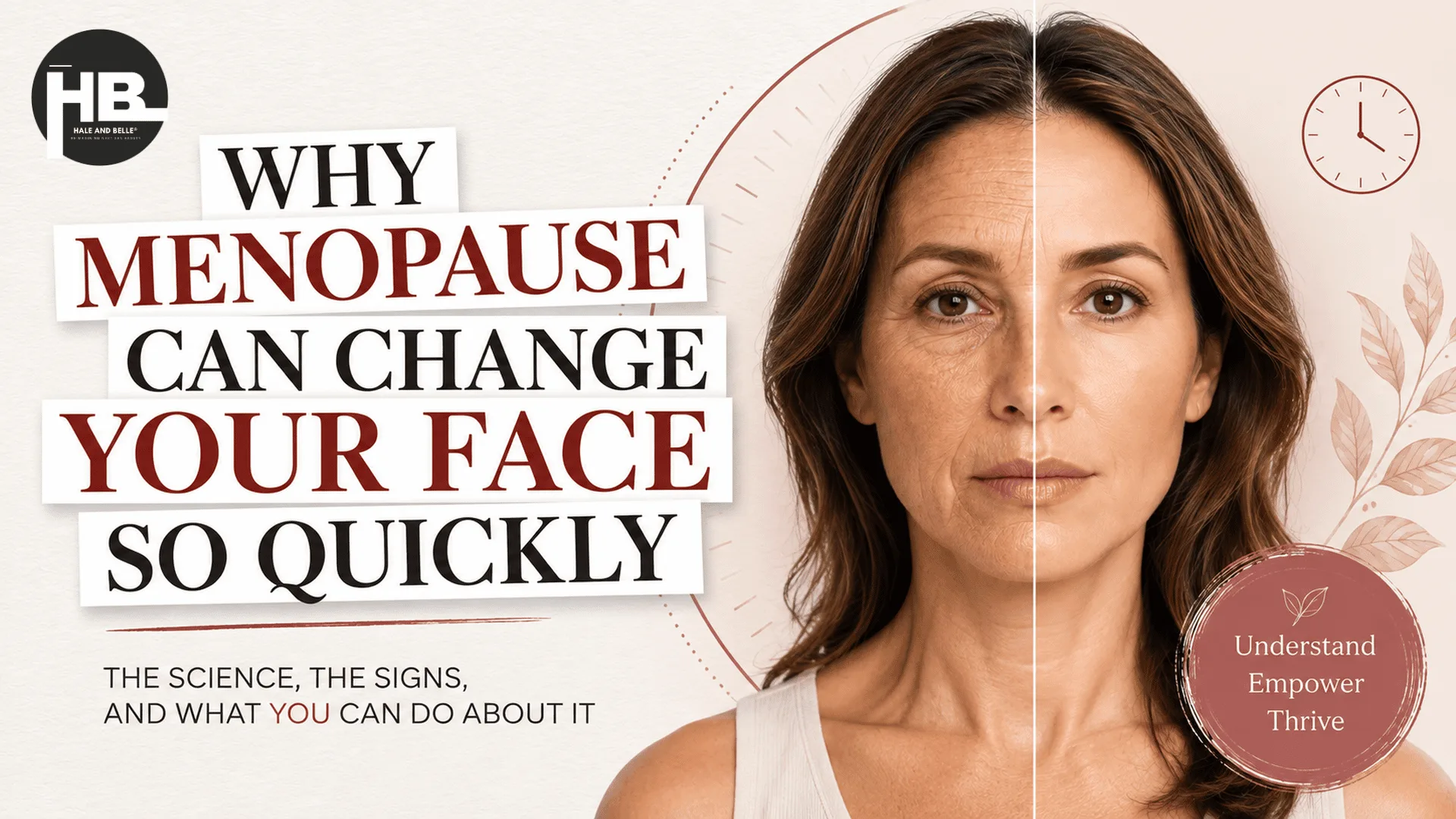
- What to look for: Thinning skin, loss of elasticity, increased dryness, sagging, fine lines, and pigmentation.
- Why it happens: Declining estrogen levels reduce collagen production and impair skin barrier function.
So, What Can You Do?
Dr. Dhingra emphasizes the importance of a holistic approach.
“The skin is an external reflection of internal equilibrium. A change in skin texture or tone is often the first alarm bell. While skincare helps, addressing root causes through diet, sleep, stress management, and medical interventions is critical.”
She advises women to:
- Track their menstrual cycle and notice if skin changes align with specific phases.
- Consult a doctor if changes are sudden or persistent.
- Get routine hormone panels done—especially during transitions like post-pregnancy or approaching menopause.
- Pay attention to gut health, as it influences hormonal balance and skin inflammation.
The Skin-Hormone Connection: A Wake-Up Call for Women
Women often normalize discomfort—dismissing hormonal skin changes like acne in their 30s or dryness in their 40s as “just aging.” But in doing so, they risk overlooking crucial signs of underlying imbalances.
This article isn’t just about the skin. It’s about tuning into your body’s early warning system and realizing that beauty and biology are deeply intertwined. Often, hormonal skin changes are the first visible indicators—your skin might just be telling you something your bloodwork hasn’t yet. Holistic practices like face yoga can also support skin health when navigating hormonal transitions.
Meet the Expert: Dr. Shivani Dhingra

Dr. Shivani Dhingra is a distinguished medical educator and anatomist at Dr. Bheem Rao Ramji Ambedkar Government Medical College, Kannauj. With a specialized research focus on female anatomy and hormonal health, she has authored multiple academic papers on fetal skin histometry and morphology.
Driven by a passion to demystify women’s health, Dr. Dhingra works at the intersection of gynecology and dermatology—bridging clinical science with everyday concerns. Her work empowers women to understand their bodies better at every age and stage, decoding how shifts in hormones show up on the skin.
Through her teaching, clinical research, and public advocacy, she brings clarity to complex conditions like PCOS, thyroid dysfunction, and perimenopause—spotlighting the skin as a vital diagnostic tool in hormonal health.
Explore More on Hale and Belle:
- Adaptogens for Skin Health: Ashwagandha’s Skincare Benefits
- What Causes Clogged Pores? Expert Insights & Skincare Tips
In Case You Missed It: Previous Editions of Friday Feature:
Featuring Aric Congdon, chemist-stylist and founder of Hairicc—decoding ingredient myths and formulation science
Humidity‑Proof Beauty: Makeup That Won’t Budge
A pro makeup artist, Priyanka Gupta, shares resilient makeup strategies and advice tailored for heat and humidity-resistant results
Red Light Therapy at Home: 7 Surprising Benefits of Using a Red‑Light Face Mask
Dermatologist Preeti Singh explains why at-home light therapy is more than a trend
Holistic Skincare with Dr. Jeanne Retief: How Emotional Wellness Is Reshaping Beauty
Aesthetician Dr. Retief explores the skin–mind connection and emotional self-care
Celebrity MUA Lauren Shea Reveals the Foundation Mistakes You’re Still Making
From mismatched shades to overlooked prep steps, celebrity makeup artist Lauren Shea spills the most common foundation blunders—and how to fix them. Your flawless base starts here.
Clean Beauty Confessions: A Dermatologist Unpacks the Truth
Is your clean beauty routine truly skin-safe? A top dermatologist breaks down what “clean” really means—and the ingredients you should and shouldn’t be afraid of.
Beyond the 10-Step Trap: Why Intuitive Skincare Triumphs Over Rigid Routines
Ditch the overwhelm. This feature explores why tuning into your skin’s changing needs beats following any fixed routine—because skincare should adapt, not dictate.
Want the latest scoop, exclusive deals, and skincare secrets? Follow us on WhatsApp and never miss a glow-up moment!