The era of simply slathering on creams is fading. In its place, biohacking in beauty and wellness is rewriting the rules. What began as a Silicon Valley experiment has gone mainstream, moving from fringe forums to dermatology labs and high-end skincare counters. Today, biohacking in beauty and wellness is reshaping how experts—from cosmetic scientists to wellness innovators—tackle skin health, aging, and vitality.
Welcome to the new frontier, where genetics, microbiome research, bioactive compounds, and smart technology converge. The question is no longer “What should I put on my skin?” but rather “How can I program my body to perform at its best?”
Friday Feature | Fourteenth Edition | Featuring Dr. Seyed Hassan Fakher, MD | Invigor Medical
Peptides: The Workhorses of Scientific Skincare
Ask any cosmetic scientist which ingredient best embodies the promise of biohacking and the answer is nearly unanimous: peptides. These short chains of amino acids—tiny fragments of proteins—act as messengers in the skin, triggering processes that stimulate collagen, tighten elasticity, and reduce fine lines.
Recent clinical data reveals that bioactive peptides offer more than surface-level benefits. They exhibit antioxidant, anti-inflammatory, and even antimicrobial properties. When ingested in supplement form, certain peptides have been shown to promote skin repair from within, enhancing hydration and resilience in ways topical creams cannot match.
The beauty of peptides is their dual action: topical formulas provide immediate aesthetic results, while ingestibles target deeper biological pathways. This synergy epitomizes the biohacking philosophy—working with your body’s natural mechanisms to create long-term change.
DNA-Personalized Skincare: Your Genome as a Beauty Map
If peptides are the workhorses, DNA-personalized skincare is the master architect of biohacking in beauty and wellness. By decoding an individual’s genetic blueprint, scientists can now predict how skin responds to environmental stress, collagen breakdown, and inflammation—paving the way for treatments that blend biotechnology with personalized care.
Imagine receiving a serum blended not for your demographic profile but for your actual genes. It might include ingredients that counteract a higher genetic risk of oxidative stress or formulas that boost natural hyaluronic acid production.
The process typically involves a simple cheek swab. Advanced algorithms then interpret your DNA, recommending a customized routine. This is beyond luxury skincare; it’s precision medicine applied to beauty, ushering in an era where the one-size-fits-all moisturizer becomes obsolete.
The Microbiome: The Skin’s Invisible Ally
Equally revolutionary is the understanding of the skin microbiome, the diverse ecosystem of bacteria, fungi, and viruses living on our skin. Research shows that modulating this microbiome can improve aging, enhance wound healing, and even help treat chronic skin conditions.
With advances in metagenomics and 3D skin models, scientists can now test microbiome-targeted therapies more precisely. Next-generation products aim not to strip bacteria away but to nourish beneficial strains, creating an environment where skin naturally thrives.
This is biohacking at its most elegant: optimizing the body’s existing defense systems rather than overwriting them.
Beauty You Can Swallow: The Rise of Ingestible Wellness
“Beauty from within” is no longer a marketing slogan; it’s a clinical reality. From collagen powders to nutraceutical blends rich in bioactive peptides, ingestible beauty supplements work at a cellular level.
Clinical studies demonstrate measurable benefits: improved skin elasticity, increased hydration, and even enhanced protection against UV-induced damage. When combined with topical treatments, ingestibles represent a 360-degree strategy for youthful skin and overall vitality.
And it’s not just supplements. Functional foods—think probiotic-rich yogurts or antioxidant-packed beverages—are being formulated specifically to support skin health. The kitchen is becoming as critical as the vanity table.
Diane Howard captures the philosophy neatly: “Biohacking is all about helping the body do what it does best, refreshing and revitalizing from within. We’re seeing growing interest in bio-stimulators and regenerative treatments because they’re both effective and natural, working with your biology!”
Smart Devices and Wearables: Your Skin’s Personal Lab
The future of biohacking extends beyond creams and capsules. Smart beauty devices and wearable technology are transforming at-home skincare into a data-driven experience.
Consider UV-sensing bracelets that alert you to reapply sunscreen, or smart mirrors that track fine-line progression and hydration levels. Some devices even integrate with apps to deliver AI-powered recommendations, ensuring your regimen adapts to changing conditions in real time.
These tools embody the next phase of personalized beauty: continuous feedback loops that fine-tune your routine day by day.
The Wild Frontier: Gene Editing and DIY Biology
At the outer edge of biohacking lies gene editing and synthetic biology—areas once confined to medical research labs. Enthusiasts are exploring the potential of CRISPR and other gene-editing techniques to enhance human performance, from metabolic efficiency to skin regeneration.
While such experiments remain experimental and often controversial, they underscore the limitless potential of biotechnology in beauty and wellness.
Yet with such promise comes a pressing need for ethical guardrails. Questions of privacy, consent, and the possibility of misuse loom large. Experts urge the creation of robust regulatory frameworks before these methods enter mainstream beauty.
The Ethical Imperative
Innovation without oversight is a recipe for chaos. Biohacking’s rapid growth demands clear ethical standards—not only to protect consumers but to maintain trust in the industry.
Concerns include:
- Data privacy: How securely is your genetic information stored?
- Informed consent: Do consumers fully grasp the implications of DNA testing?
- Equity: Will these advances widen the gap between those who can afford cutting-edge treatments and those who cannot?
Only by addressing these issues can biohacking truly fulfill its promise as a force for inclusive and responsible innovation.
What It Means for the Future of Beauty and Wellness
Biohacking signals a paradigm shift. Beauty is no longer confined to topical products or superficial fixes. It’s a science-driven strategy that integrates genetics, nutrition, technology, and lifestyle.
Expect the next decade to bring:
- AI-driven skincare analysis, using machine learning to personalize routines.
- Advanced nutraceuticals with clinically proven bioactive compounds.
- Regenerative treatments that stimulate natural repair mechanisms.
- Mainstream adoption of microbiome therapies.
This is not the future of beauty. It is the present, unfolding in real time.
Meet the Expert
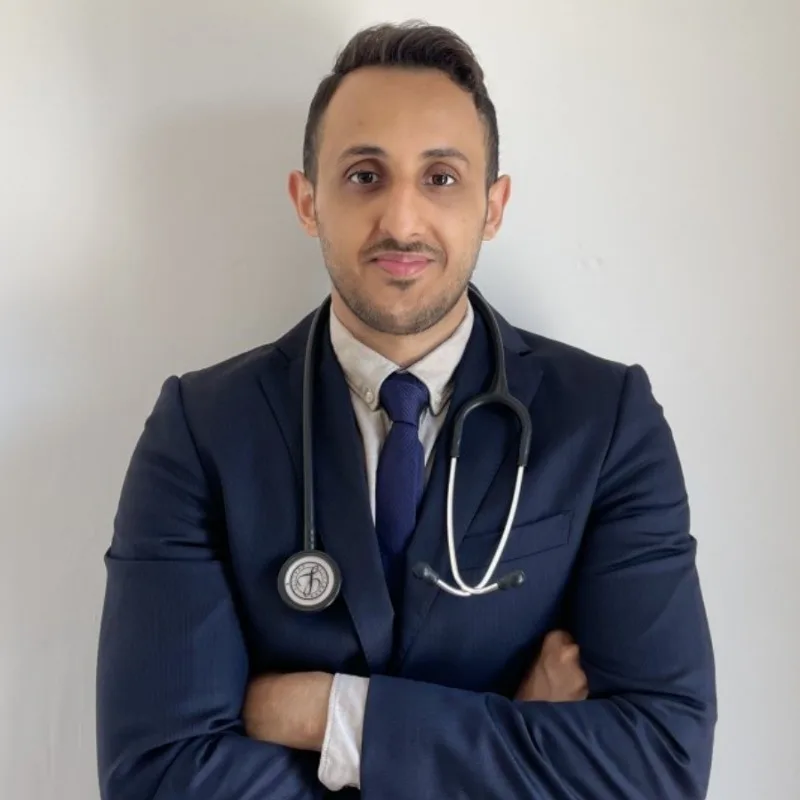
Dr. Seyed Hassan Fakher is a board-certified physician specializing in regenerative medicine and cutting-edge wellness therapies. His clinical insights bridge the gap between advanced medical research and consumer-friendly beauty solutions. At Invigor Medical, Dr. Fakher focuses on bioactive peptides and personalized treatment plans, helping patients harness science to achieve optimal health and radiant skin.
Missed it? Catch up on Friday’s Beauty Secrets and discover the expert tips we shared last week.
FAQs
A: Biohacking in skincare means using scientific methods—like peptides, DNA analysis, and microbiome modulation—to improve skin health and slow visible aging.
A: Yes, when produced by reputable labs and backed by peer-reviewed research. Always consult a dermatologist before starting a DNA-based regimen.
A: Clinical studies show that bioactive peptides and collagen supplements can enhance hydration and elasticity when taken consistently.
A: Traditional skincare treats the surface. Biohacking integrates genetics, nutrition, and technology to optimize the body’s natural repair mechanisms.
A: Expect AI-powered analysis, smart devices, and microbiome-focused treatments to make skincare even more personalized and effective.
Key Takeaway
Biohacking in beauty and wellness is far more than a passing trend—it marks a true scientific evolution. By fusing biology with cutting-edge technology, we are moving beyond merely treating surface symptoms to programming the body for peak performance. The next era of skincare and wellness will belong to those who embrace this union of science and aesthetics—responsibly, ethically, and beautifully.
Want the latest scoop, exclusive deals, and skincare secrets? Follow us on WhatsApp and never miss a glow-up moment!