Acne-prone skin often needs more than a basic cleanser. If you are searching for the best salicylic acid face wash, you are likely dealing with clogged pores, recurrent breakouts, blackheads, or excess oil that does not fully respond to gentle cleansing alone. Salicylic acid is one of the most studied over-the-counter ingredients for acne, and when formulated well, it can help unclog pores and reduce inflammatory lesions over time.
However, not all salicylic acid cleansers perform equally. Concentration, pH, supporting ingredients, and overall formulation determine whether a product supports barrier health or quietly worsens irritation. In this guide, we evaluate some of the best salicylic acid face wash options available, focusing on ingredient quality, irritation potential, suitability for acne-prone skin, and overall value. The goal is not aggressive exfoliation, but steady, sustainable improvement.
Quick Comparison: Best Salicylic Acid Face Wash Options
| Product Name | Key Ingredients | Best For | Texture / Skin Type Suitability | Potential Drawbacks |
| CeraVe SA Cleanser | 0.5–2% Salicylic Acid, Ceramides, Niacinamide | Mild acne, clogged pores | Gel; normal to oily, sensitive-prone | May feel drying if overused |
| La Roche-Posay Effaclar Medicated Gel Cleanser | 2% Salicylic Acid | Active acne, oily skin | Foaming gel; oily to combination | Can be stripping for sensitive skin |
| Minimalist Salicylic Acid Cleanser | 2% Salicylic Acid, Zinc | Oil control, frequent breakouts | Gel; oily, acne-prone | Limited barrier-support ingredients |
| COSRX Salicylic Acid Daily Gentle Cleanser | ~0.5% Salicylic Acid, Tea Tree Leaf Oil | Mild congestion, early blackheads | Gel-cream; combination to mildly oily skin | May be insufficient for moderate acne; tea tree may irritate sensitive skin |
| Neutrogena Oil-Free Acne Wash | 2% Salicylic Acid | Teenage acne, excess oil | Foaming; very oily skin | Fragrance may irritate some users |
How We Evaluated These Options
To identify the best salicylic acid face wash options, we assessed each product across five dermatology-relevant criteria.
First, ingredient concentration. Most over-the-counter acne cleansers contain up to 2% salicylic acid. While 2% is considered effective for mild to moderate acne, lower strengths may still help when used consistently.
Second, evidence support. Salicylic acid is a beta hydroxy acid (BHA) that is oil-soluble, allowing it to penetrate the pore lining. Research supports its comedolytic properties, meaning it can help prevent clogged pores and reduce blackheads and whiteheads.
Third, irritation potential. Cleansers provide short contact therapy, meaning they stay on the skin briefly. This can reduce irritation compared to leave-on treatments. However, surfactant strength, fragrance, and lack of barrier-supporting ingredients can increase dryness.
Fourth, suitability for acne-prone skin. We considered whether the formula includes non-comedogenic ingredients and avoids heavy occlusives.
Finally, value for money. Effective acne management requires consistent use. Affordability influences adherence.
1. CeraVe SA Cleanser
What It Contains
This cleanser combines salicylic acid with ceramides and niacinamide. Ceramides help reinforce the skin barrier, while niacinamide can support oil regulation and redness reduction.
Who It Is Best For
Those with mild acne, textured skin, or blackheads who are also prone to dryness or sensitivity.
Pros
• Barrier-supportive formulation
• Fragrance-free
• Appropriate for everyday use in individuals who tolerate salicylic acid well.
• Compatible with niacinamide-based routines
Limitations
• May not be strong enough for moderate inflammatory acne
• Still requires moisturizer afterward
Realistic Expectations
This option may help gradually reduce clogged pores and improve skin texture over 4–6 weeks. It is unlikely to clear severe cystic acne on its own.
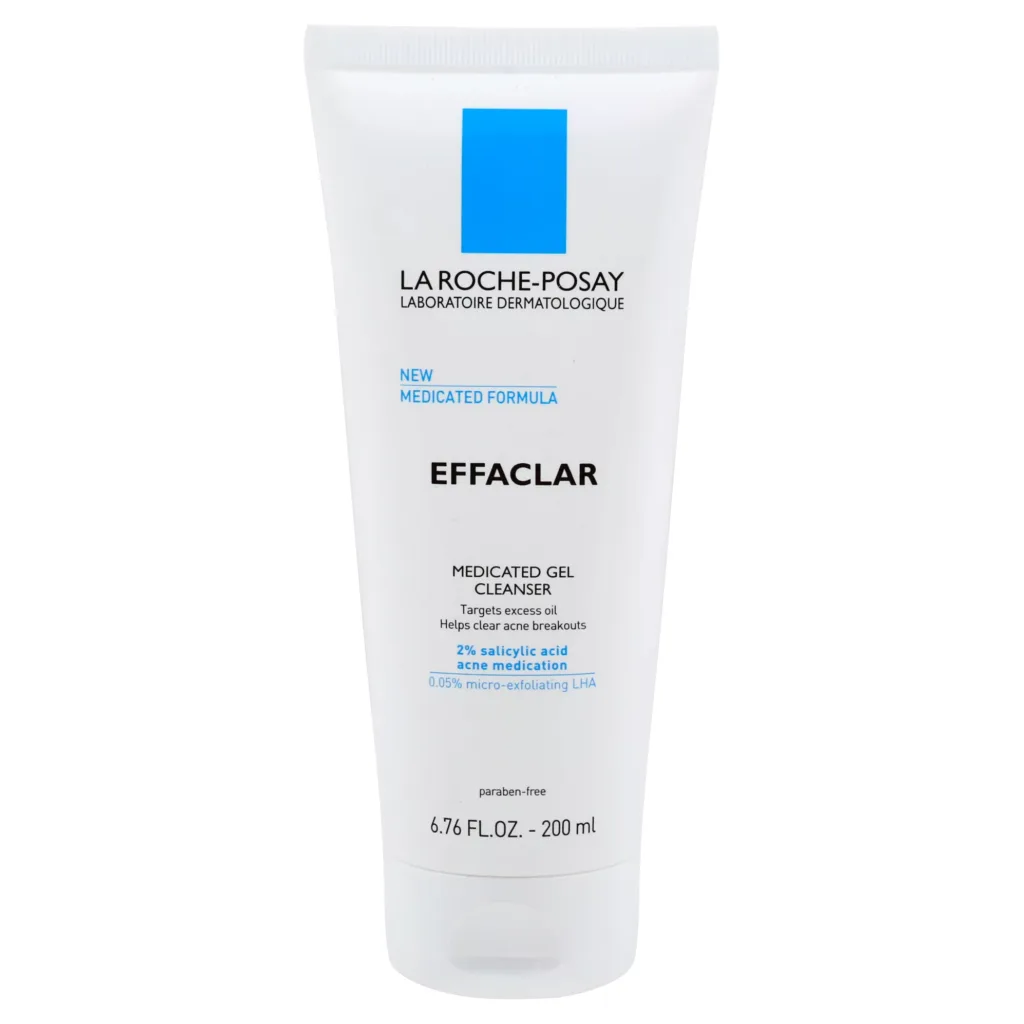
2. La Roche-Posay Effaclar Medicated Gel Cleanser
What It Contains
Formulated with 2% salicylic acid in a foaming gel base designed for oily skin.
Who It Is Best For
Individuals with consistently oily skin and active breakouts.
Pros
• Maximum OTC strength
• Effective oil reduction
• Often recommended in acne-focused routines
Limitations
• Can feel stripping
• May increase irritation if combined with strong retinoids
Realistic Expectations
This cleanser may help reduce inflammatory lesions when used twice daily, though dryness can occur. Pairing with a suitable moisturizer for acne-prone skin is essential.
3. Minimalist Salicylic Acid Cleanser
What It Contains
2% salicylic acid with zinc to help regulate oil production.
Who It Is Best For
Frequent breakouts and visibly oily T-zone.
Pros
• Straightforward acne-focused formula
• Budget-friendly
• Effective for comedonal acne
Limitations
• Limited soothing agents
• May require careful frequency control
Realistic Expectations
Improvement in blackheads and oil control may appear within several weeks. It may not address hormonal acne triggers.
4. COSRX Salicylic Acid Daily Gentle Cleanser
What It Contains
This cleanser contains approximately 0.5% salicylic acid along with tea tree leaf oil and mild surfactants. The lower BHA concentration makes it less aggressive than 2% formulations, while still offering light pore-clearing support.
Who It Is Best For
Individuals with mild congestion, early blackheads, or combination skin seeking preventive maintenance rather than active acne treatment.
Pros
• Lower salicylic acid concentration may reduce irritation risk
• Suitable for maintenance routines
• Gel-cream texture that does not feel overly stripping
Limitations
• May not be sufficient for moderate inflammatory acne
• Contains tea tree oil, which may irritate highly sensitive skin
• Not designed for severe oil control
Realistic Expectations
This cleanser may help maintain clearer pores when used consistently, particularly in combination with a structured acne routine. However, those with frequent inflammatory breakouts may require a stronger 2% formulation or adjunct leave-on therapy.
5. Neutrogena Oil-Free Acne Wash
What It Contains
2% salicylic acid in a foaming base.
Who It Is Best For
Very oily skin and teenage acne.
Pros
• Widely accessible
• Effective oil removal
Limitations
• Fragrance may irritate sensitive skin
• Can disrupt barrier if overused
Realistic Expectations
May reduce surface oil quickly, but consistent moisturizing is critical to prevent rebound oil production.
Who Should Choose Which?
Individuals with oily, resilient skin and active acne may benefit from a stronger 2% salicylic acid face wash such as Effaclar or Minimalist. Those with sensitive or barrier-compromised skin may prefer a more balanced formulation like CeraVe SA Cleanser. Beginners are generally better served by starting with a gentler option and limiting use to once daily, whereas experienced users already tolerating retinoids should remain alert to signs of cumulative irritation. When the goal is maintenance rather than treating active breakouts, using a salicylic acid cleanser a few times per week may be sufficient to help minimize pore congestion.
How to Use a Salicylic Acid Face Wash Safely
Use once daily initially. If well tolerated, some individuals can increase to twice daily. Massage gently onto damp skin for 30–60 seconds before rinsing.
Avoid layering immediately with other exfoliating acids or benzoyl peroxide unless advised by a professional. If you already use a retinoid, consider alternating nights.
Watch for signs of overuse, including persistent tightness, flaking, burning, or increased redness. If acne worsens significantly or becomes painful and cystic, consult a dermatologist. Cleansers alone may not adequately treat moderate to severe acne.
For a complete routine, explore guidance on building an acne routine, understanding salicylic acid safety, and pairing actives with niacinamide compatibility principles.
Must Read: How Niacinamide Works in Acne-prone Routines
Must Read Before You Choose a Salicylic Acid Cleanser
If you are building an acne routine around a salicylic acid face wash, these evidence-based guides can help you make safer and more effective decisions:
- BHA | Salicylic Acid: Usage, Side Effects, and Best Products – A detailed breakdown of how salicylic acid works, who should avoid it, and how to minimize irritation.
- Does Salicylic Acid Help with Acne Scars? – Understand what this ingredient can realistically improve and where its limitations lie.
- Best Products for Blackheads: Clear Pores Now – A focused look at managing clogged pores beyond cleansers.
- Dermatologist Recommended Face Washes for Oily and Acne-Prone Skin – A broader comparison if you are still deciding whether a medicated cleanser is right for your skin type.
Exploring these guides can help you build a structured routine rather than relying on a single product for complete acne control.
Common Mistakes When Choosing the Best Salicylic Acid Face Wash
One common misconception is assuming higher strength means faster results. More frequent use often increases irritation without accelerating improvement.
Another mistake is skipping moisturizer. Even oily skin benefits from balanced hydration, which helps prevent barrier disruption.
Some people combine multiple exfoliating products at once. This increases the risk of irritation and may worsen acne.
Finally, expecting a cleanser to treat hormonal or cystic acne alone can delay appropriate care. Persistent acne may require prescription therapy.
FAQs
A: Not necessarily. While 2% is the maximum over-the-counter strength, skin tolerance and formulation quality matter more than percentage alone.
A: Many people can use it daily if tolerated. However, start slowly and monitor for dryness or irritation.
A: Yes. Salicylic acid is oil-soluble and may help dissolve debris inside pores, which can reduce blackheads over time.
A: You may, but proceed cautiously. Alternate use if irritation develops. Over-exfoliation can impair barrier function.
A: Lower concentrations in gentle formulations may be tolerated. Patch testing is advisable.
A: Noticeable changes typically emerge after about 4–6 weeks of regular, consistent use. Acne cycles take time to normalize.
A: Some people experience mild purging as clogged pores surface. Persistent worsening should be evaluated by a professional.
Takeaway
Choosing the best salicylic acid face wash depends less on brand popularity and more on formulation, skin type, and tolerance. Salicylic acid can support pore clarity, reduce oil buildup, and help manage mild acne when used consistently and safely.
However, cleansers are only one part of a comprehensive acne strategy. Supporting the skin barrier, avoiding over-exfoliation, and understanding ingredient compatibility are equally important. If acne remains persistent, painful, or scarring, medical evaluation may be necessary.
A measured, evidence-based approach almost always delivers better long-term results than aggressive short-term correction
Want the latest scoop, exclusive deals, and skincare secrets? Follow us on WhatsApp and never miss a glow-up moment!